
February 26, 2026
What to Look for in a Solar-Powered Generator for Travel?
Phones, GPS gadgets, lamps, and small appliances all demand consistent electricity when travelling. A solar-powered generator provides clean, silent electricity without requiring campsite connections or gasoline. However, not all models are suitable for travel. Weight, battery capacity, inverter strength, and charging speed all have an impact on driving performance. Choosing the wrong system might result in restricted runtime or excessive bulk. Before you buy, you should understand your power and mobility needs. This tutorial discusses how to choose a generator with adequate capacity, mobility, and safety features for pleasant and efficient travel.
What Power Capacity Do You Need for Travel?
Calculate Wattage for Travel Essentials
Make a list of the gadgets you want to utilise while you’re on the road. Some common things that people need include cellphones, computers, portable refrigerators, cameras, lighting, and compact fans. Look at the label or manual to see how many watts each item uses. To find out how much power each gadget will need, multiply its wattage by the number of hours you plan to use it each day. To figure out how much energy you need each day, add up the totals. You may use this calculation to figure out the smallest generator capacity. Don’t assume, since if you don’t use enough power, your battery will run out quickly. A correct wattage evaluation makes sure that your solar-powered generator can run important equipment without stopping during excursions.
Understand Battery Capacity (Wh) and Runtime
Battery capacity, defined in watt-hours, impacts how long your generator can run between charges. If your travel equipment demands 800 watt-hours per day, select a generator with an equivalent or better useful capacity. Many travellers include a buffer to deal with unexpected use or gloomy weather. Larger batteries provide more runtime but increase weight and expense. Evaluate how often you can recharge during your trip. Weekend travellers may accept a reduced capacity; however, extended overland travels need more storage. Matching battery capacity to realistic runtime requirements promotes consistent performance while avoiding excessive bulk.
Check Inverter Output and Surge Power Limits
The inverter transforms battery power into usable AC energy. The continuous output rating specifies how many devices may be run at the same time. Some travel equipment, such as portable refrigerators and coffee machines, requires a larger initial surge power. If the inverter is unable to manage high demand, the system may shut down. Always check your gadgets’ surge needs against the generator’s specs. Choose an inverter with a safety margin that exceeds your total running load. Proper size protects against overload and guarantees steady functioning. A balanced inverter capacity increases dependability when travelling off-grid.
How Important Are Portability and Charging Options?
Weight, Size, and Carrying Design for Easy Transport
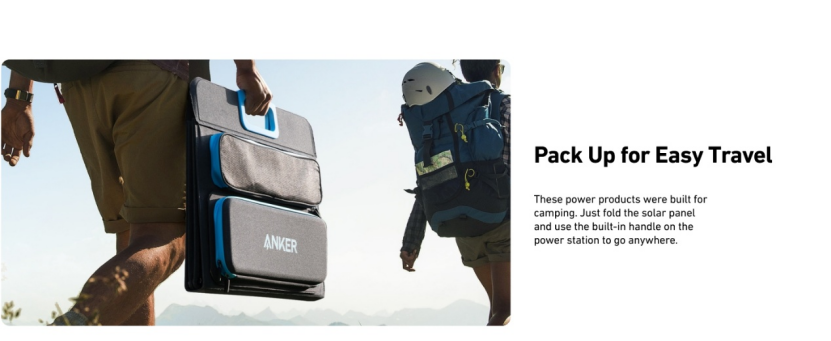
Portability is important when loading and unloading equipment on a regular basis. Inspect the generator’s weight and overall size. Compact variants fit more readily into car storage places. Built-in handles and wheels make it easier to move between campsites. The unit is protected by a durable case while being transported on rough routes. Avoid using large systems that surpass your real energy requirements. A well-balanced design combines enough capacity with a reasonable weight. Choosing a compact and durable generator makes travel more convenient and lowers strain during setup.
Solar Panel Compatibility and Fast Recharging
The efficiency with which you recharge off-grid is directly proportional to sun compatibility. Verify that the generator is capable of handling a sufficient amount of solar input wattage. Increased input limitations shorten the amount of time required for charging in direct sunshine. Verify that the accessible panels are compatible with the various types of connectors and voltages. Panels that may be folded up or transported further provide flexibility when travelling. The convenience of moving between destinations is improved by the ability to recharge quickly. After daily usage, efficient recovery may be achieved by matching the capacity of the panel to the size of the battery.
Car Charging, AC Charging, and Multi-Input Flexibility
Flexible charging options increase road dependability while employing a solar generator. Most solar generator types allow for wall charging before leaving. Car charging allows you to renew your battery power while driving. Some solar generators provide simultaneous AC and solar input for quicker recuperation. Multi-input capability lowers downtime while increasing convenience. Determine the charging speed for each method and ensure compatibility with your vehicle’s output. Flexible recharging options ensure your solar generator remains ready during extended travel.
What Features Improve Safety and Convenience on the Road?
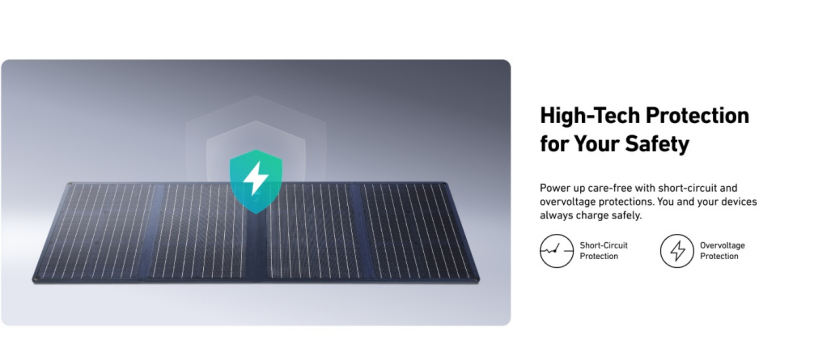
Safety features safeguard both individuals and gadgets. Look for integrated battery management systems that track temperature, voltage, and current. Overload and short-circuit protection avoid harm from unexpected surges. Clear digital displays allow you to monitor battery levels and power use in real time. USB-C fast charging connections and several AC outlets add convenience. LED lights built inside the generator offer emergency lighting at night. Quiet operation promotes calm camping and shared spaces. The weather-resistant structure shields internal components from dust and light dampness. Choosing a generator with solid safety features and easy-to-use controls improves trip comfort and confidence.
Conclusion
In order to choose the best solar-powered generator for travelling, it is necessary to strike a balance between capacity, portability, and charging flexibility. Calculate the daily energy consumption precisely and match the size of the battery to the actual runtime requirements. Make sure that the output of the inverter can securely support your equipment. When it comes to convenience, lightweight design, and a variety of charging alternatives should be prioritised. Wherever your travels may take you, a generator that has been carefully selected may provide you with dependable and environmentally friendly electricity.