
February 28, 2026
How Does Weather Affect Daily Power Reliability?
Extreme weather directly influences how reliably electricity reaches homes each day. Power systems are designed to handle seasonal variation, but prolonged heat, deep freezes, high winds, and flooding can strain even well-built infrastructure. When transmission lines, substations, or generation facilities are affected, everyday routines inside the home are quickly disrupted. Refrigerators stop cooling, heating systems pause, and internet connections drop without warning. For households that rely on electricity for medical devices or remote work, even short interruptions create stress and financial risk. In this article, the specific ways weather affects daily power reliability, and what those impacts mean for ordinary households, will be clearly explained.
1. Heat Waves Push the Grid to Its Limit
During heat waves, electricity demand rises sharply because air conditioners, fans, and cooling systems run continuously. This surge forces power plants and transmission lines to operate close to maximum capacity for extended periods. High outdoor temperatures can also reduce the efficiency of electrical equipment, making it harder for the grid to meet demand. Transformers may overheat, and heavily loaded lines can sag or trip protective systems. When systems are pushed too far, localized outages or rolling interruptions may occur. As a result, extreme heat often turns a normal summer day into a test of grid stability.
2. Winter Storms Freeze Critical Equipment
Ice Brings Down Power Lines and Poles
Ice accumulation adds significant weight to overhead power lines, sometimes doubling or tripling the load they are designed to carry. As ice thickens, lines begin to sag and may eventually snap under the strain. Utility poles can also crack or fall when coated with heavy ice, especially when strong winds accompany freezing rain. When lines collapse, entire neighborhoods can lose power at once. Restoration crews must clear debris and replace damaged sections before electricity is restored. Even a single severe ice storm can leave homes without heat or power for days.
Natural Gas Supplies Can Freeze at Plants
Extremely cold temperatures can affect the fuel supply that powers many generation facilities. When natural gas infrastructure experiences freezing conditions, fuel flow may be reduced at the same time electricity demand for heating rises sharply. This imbalance increases stress on the overall grid. If generation capacity drops while consumption climbs, widespread outages become more likely. Power plants often include winterization measures, but unusually harsh conditions can still create vulnerabilities. These situations show how weather affects not only power lines but also the facilities that produce electricity.
3. High Winds and Lightning Cause Direct Damage
Falling Trees Take Out Local Power Lines
Strong winds frequently uproot trees or snap large branches that fall onto overhead power lines. Even healthy trees can become hazards when the soil is saturated or the gusts are extreme. When a tree strikes a line, electricity can be cut instantly to homes connected to that circuit. Crews must remove debris carefully before repairs begin, which can delay restoration. In neighborhoods with dense tree coverage, these events are common during major storms. Although regular trimming reduces risk, wind-related outages remain one of the most frequent causes of sudden power loss.
Lightning Strikes Knock Out Substations
Lightning carries intense electrical energy that can overwhelm protective systems at substations. When a strike occurs near critical equipment, automatic shutdown mechanisms may activate to prevent further damage. While these safety systems protect infrastructure, they can temporarily interrupt service to thousands of customers. Repairs require inspection and testing before power can be safely restored. Lightning damage can affect both overhead and underground components. As a result, thunderstorms sometimes lead to brief but widespread outages without visible structural damage.
4. Flooding Threatens Underground Equipment
Heavy rainfall and rising water levels can compromise underground electrical infrastructure. Distribution vaults, cables, and transformers are designed with protective enclosures, but prolonged flooding may still allow water intrusion. When water reaches sensitive components, short circuits or corrosion can occur. Repairs to underground systems are often more complex than overhead fixes because equipment must be accessed carefully. Urban areas with limited drainage capacity may experience longer restoration times after major storms. Flood-related disruptions demonstrate that not all weather threats are visible above ground.
5. What This Means for Your Daily Power
Weather Outages Are More Frequent Than Ever
Severe weather events are occurring with greater intensity in many regions, increasing the frequency of outages. Heat waves last longer, storms grow stronger, and heavy precipitation events are becoming more common. Each of these factors places additional stress on aging infrastructure. Households may notice more short interruptions or longer restoration times during extreme conditions. Even brief outages can disrupt work, online schooling, or medical equipment. Recognizing this trend encourages proactive planning rather than reactive scrambling.
Daily Reliability Drops During Extreme Events
During extreme weather, daily power reliability naturally declines because multiple components of the system are under stress simultaneously. High demand, damaged equipment, and limited repair access all combine to slow restoration. Appliances such as refrigerators, heating systems, and communication devices are directly affected. Food spoilage, indoor temperature changes, and connectivity loss can occur within hours. Families who depend on powered medical devices face even greater risk during prolonged interruptions. Understanding this reality highlights the importance of having contingency measures in place.
Backup Power Fills the Gap When Weather Hits
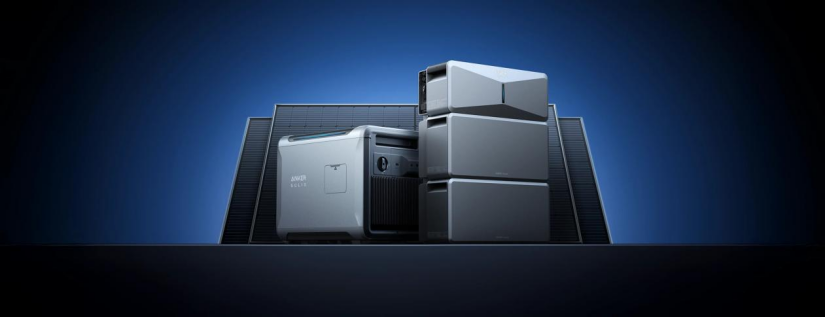
A reliable battery backup for home use provides continuity when the grid falters under weather stress. Systems designed for whole-home support can automatically prioritize essential circuits, ensuring refrigerators, heating equipment, and communication devices remain operational. For example, a solution like the Anker SOLIX E10 can deliver up to 7.6 kW of continuous output, enough to support major appliances during outages. Its ability to manage critical loads automatically helps households maintain comfort without constant monitoring. Rather than reacting to every storm with uncertainty, homes equipped with backup systems experience fewer disruptions. In practical terms, backup power transforms severe weather from a complete shutdown into a manageable inconvenience.

Conclusion
Weather affects daily power reliability through heat stress, freezing conditions, high winds, lightning, and flooding. Each type of event challenges different parts of the electrical system, from overhead lines to underground equipment and fuel supply networks. For households, these disruptions translate into food spoilage, discomfort, and interruptions to work or communication. Understanding the connection between weather and infrastructure helps families prepare realistically. Backup planning, including consideration of a battery backup for home use, reduces vulnerability when extreme conditions arise. With thoughtful preparation, daily life can remain stable even when weather conditions are not.